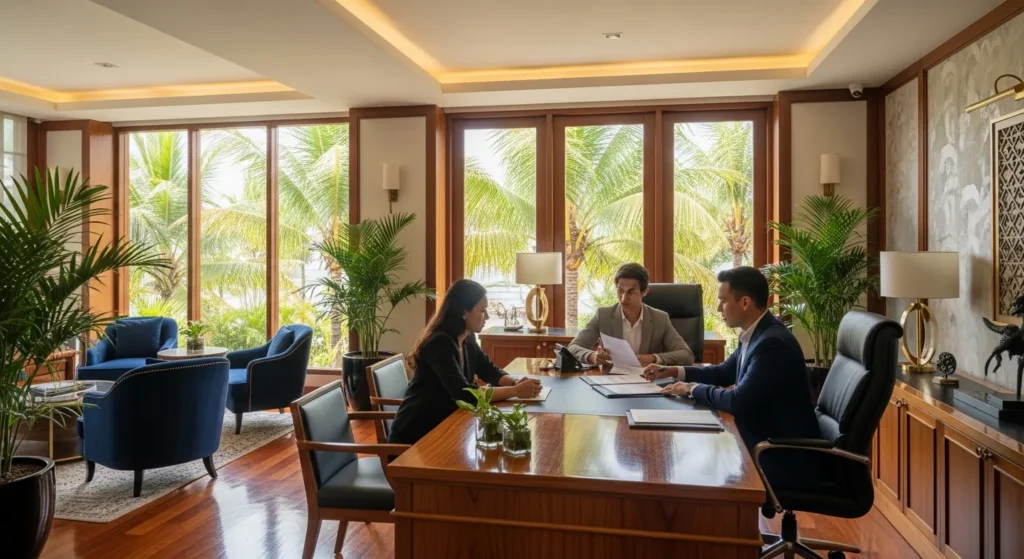
uali second home visa vs retirement kitas comparison
The allure of Bali is undeniable. Turquoise waters, emerald rice paddies, and a vibrant cultural beckon individuals from across the […]
The allure of Bali is undeniable. Turquoise waters, emerald rice paddies, and a vibrant cultural beckon individuals from across the globe, dreaming of a life less ordinary. For many, this dream evolves into a tangible plan for a long-term stay, yet the path to residency can often feel shrouded in complexity. Two prominent options frequently surface in these discussions: the Bali Second Home Visa and the Retirement KITAS. While both offer a gateway to extended stays on the Island of the Gods, they cater to distinct profiles and come with unique sets of requirements. Understanding these nuances is paramount to making an informed decision that aligns with your lifestyle aspirations and financial strategy.
The 2026 Reality: Navigating Bali’s Long-Term Residency Landscape
As we navigate into 2026, Indonesia’s immigration framework continues to evolve, refining its offerings for foreign residents. The core distinction, as reiterated by statements from the Direktur Jenderal Imigrasi, remains clear: the Second Home Visa (Visa Rumah Kedua / Second Home Stay Permit) is meticulously crafted for high-net-worth individuals, while the Retirement KITAS (Kartu Izin Tinggal Terbatas) targets older foreigners seeking a tranquil retirement. This clarity helps us guide clients through what can often be a bewildering array of regulations.
The Second Home Visa, operationalized under specific immigration regulations, is designed for those who wish to reside in Indonesia long-term without engaging in local employment. Its primary characteristic is a substantial financial commitment, commonly reported around the IDR 2 billion (approximately USD 130,000 as of early 2026) deposit in an Indonesian state-owned bank or an equivalent investment in local assets. This visa route firmly positions Indonesia as a destination for wealth-based residency. Conversely, the Retirement KITAS caters specifically to foreigners aged 55 and above, requiring proof of a stable pension or income sufficient to support their living costs, along with appropriate accommodation arrangements. No local employment is permitted under either visa, ensuring they serve as residency permits rather than work permits.
Key Insights from Our Practice: Tailoring Your Bali Residency
At Juara Holding, we’ve witnessed firsthand the diverse needs of individuals aspiring to call Bali home. Last month alone, we helped dozens of clients navigate these pathways, from bustling Canggu to the serene rice fields of Ubud, and the tranquil shores of Sanur and vibrant Denpasar. Our experience consistently highlights the critical differences between the Second Home Visa and the Retirement KITAS, extending beyond mere age or financial thresholds.
The biggest differentiators lie in **eligibility**, **financial thresholds**, **intent/purpose**, **required local support**, and the **renewal/long-term stay structure**. For the Second Home Visa, the intent is often focused on investment, establishing a luxury residence, or enjoying an extended stay based on substantial personal wealth. We guide applicants through demonstrating their financial capability, often involving complex documentation of assets or bank deposits. You can explore a deeper what this visa entails on our What is the Bali Second Home Visa? page.
The Retirement KITAS, on the other hand, is unequivocally for those seeking to live out their golden years in Bali. The intent is purely retirement, requiring proof of a consistent pension or passive income, and a commitment to not seek employment. This typically involves securing a local sponsor, often a visa agent, who can facilitate the application and ensure compliance with local regulations. Understanding the specific documentation required for each is crucial, which we detail extensively on our Bali Second Home Visa Requirements page. We help clients understand that while both offer a long-term stay, the underlying philosophy and the practical steps to achieve them are markedly different.
Step-by-Step Practical Guide: Your Path to Bali Residency
Embarking on your Bali residency journey requires meticulous planning. Let’s break down the practical steps for each visa option:
For the Bali Second Home Visa:
- Financial Proof: The cornerstone of this visa is demonstrating substantial financial capability. This typically involves providing bank statements showing an IDR 2 billion deposit in an Indonesian state-owned bank account or proof of investment in Indonesian government bonds or properties. This requirement is strictly enforced by immigration authorities, including at regional offices like the Kantor Imigrasi Denpasar.
- Application Submission: Once financial documentation is ready, the application is submitted online through the Indonesian immigration portal. This process requires a valid passport, a recent photograph, and other standard immigration forms.
- Sponsorship (if applicable): While not always a direct requirement in the same way as the Retirement KITAS, having a reliable local partner or agent to assist with the process can significantly streamline verification and communication with authorities.
- Visa Issuance: Upon approval, the visa is issued, granting a long-term stay permit, typically for 5 or 10 years, renewable.
For the Retirement KITAS:
- Age and Financial Eligibility: Applicants must be 55 years or older and provide proof of a pension or sufficient regular income (e.g., USD 1,500 – 2,000 per month) to support themselves without working. This ensures you won’t become a burden on the state.
- Accommodation Proof: You must show proof of accommodation in Indonesia, such as a long-term lease agreement for a villa or apartment.
- Local Sponsor: A crucial requirement is a local sponsor. This is typically a licensed visa agency or an individual who will take legal responsibility for you during your stay. We often act as the sponsor for our Retirement KITAS clients, ensuring all legal obligations are met.
- Health Insurance: Proof of health insurance valid in Indonesia is mandatory.
- Application Process: Similar to the Second Home Visa, the application is submitted online with all supporting documents. The process usually involves an interview and biometric data collection at a local immigration office.
Understanding the costs involved for each visa is also vital for budgeting. We provide a comprehensive breakdown on our Bali Second Home Visa Cost & Fees page.
Real Case Example: Choosing the Right Path
Consider two recent clients we assisted. Mr. and Mrs. Davies, a retired couple from the UK, dreamt of spending their golden years by the beach in Sanur. At 62 and 60 respectively, with a steady pension, the Retirement KITAS was their ideal choice. We helped them secure a local sponsor, navigate the pension documentation, and find a suitable long-term rental. Their path was straightforward, aligning perfectly with the KITAS’s age and income requirements, allowing them to enjoy Bali’s serene pace.
In contrast, Ms. Anya Sharma, a successful tech entrepreneur from Singapore in her late 40s, sought a base in Bali for several months a year, not to work locally, but to enjoy the lifestyle and potentially explore future investments. She did not meet the age requirement for the Retirement KITAS, but her substantial assets made her a perfect candidate for the Second Home Visa. We assisted her in demonstrating the IDR 2 billion financial commitment, allowing her the flexibility and long-term residency she desired, without the need for a local employment sponsor, setting up her elegant villa in Umalas for a refined lifestyle.
What’s Next & How to Get Help
Choosing between the Bali Second Home Visa and the Retirement KITAS is a significant decision that impacts your long-term plans and financial commitments. While the Second Home Visa offers a wealth-based pathway for broader age groups, the Retirement KITAS provides a structured route for those specifically seeking to retire on the island. Both are powerful tools for establishing a long-term presence in Bali, but selecting the correct one requires a clear understanding of your personal circumstances and future aspirations.
Navigating Indonesian immigration laws can be complex, with regulations subject to updates and nuanced interpretations. We strongly recommend seeking professional guidance to ensure a smooth and successful application process. Our team at Juara Holding specializes in these intricacies, offering bespoke advice tailored to your unique situation. Don’t let uncertainty delay your Bali dream. Reach out to us for a personalized consultation today. We’re here to help you make your transition seamless.
You can connect with us directly via WhatsApp: https://wa.me/6281128590000 or email us at: [email protected].
By Juara Holding Visa Team